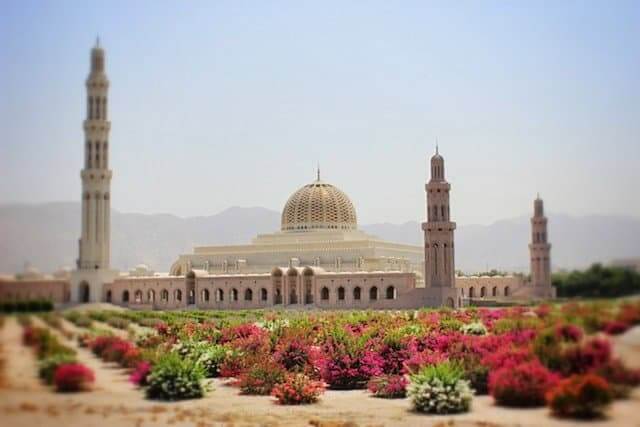

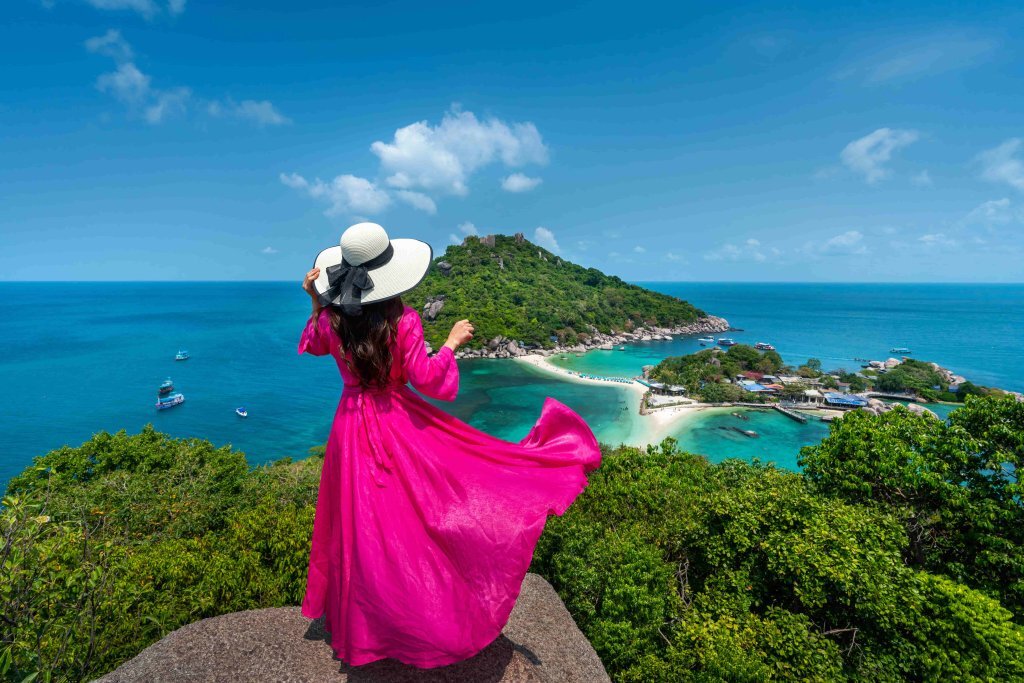
Salalah, the capital of Dhofar in southern Oman, sits between the Arabian Sea and the Dhofar mountains, and it has far more to see than the famous Khareef waterfalls. Beyond the usual stops are quieter places most visitors miss: the waterfall pool at Ayn Khor, the empty white sand of Fazayah Beach, the giant Tawi Atair sinkhole, the baobab trees of Wadi Hinna, Mirbat’s old town and the cliff-top views from Jebel Samhan. The easiest way to reach them is with Salalah Tour packages run by local guides, and our packages start from Muscat or from Dubai and Abu Dhabi.
Exploring Salalah with Tailored Tour Packages
When you’re planning a trip to Salalah, it pays to make the most of every day. Our Salalah travel packages are built around different interests, so you get the best out of your holiday. Whether you love nature, history or simply want to relax on the beach, there’s a Salalah holiday package to suit you.
7 Hidden Gems of Salalah Most Tourists Miss
- Ayn Khor: A spring and seasonal waterfall in a green bowl of fig and tamarind trees in the hills east of Salalah. It is much quieter than Ayn Razat, and the waterfall runs best in and just after Khareef.
- Fazayah Beach: A remote white-sand bay west of Mughsail, reached by a steep mountain road. Clear water, cliffs on both sides and usually nobody else there. Best from October to May.
- Tawi Atair sinkhole: One of the largest sinkholes in the world, on the plateau above Taqah. Its name means “well of the birds”, and the cliffs ring with birdsong in the morning.
- Wadi Hinna baobab trees: A grove of huge, ancient baobabs in a mountain valley, a rare sight in Arabia and especially atmospheric in the Khareef mist.
- Mirbat old town: The old capital of Dhofar, with crumbling merchant houses with carved wooden windows, a small fort and the twin-domed Bin Ali tomb nearby.
- Jebel Samhan viewpoint: A lookout on the edge of the Samhan plateau, more than 1,000 m above the coastal plain, with views down to Mirbat and the sea. Clearest outside Khareef.
- The Shaat and Al Mughsail cliff road: The hairpin road west of Mughsail climbs to the Shaat viewpoint, where the cliffs drop straight into the sea. It is one of the most dramatic drives in Oman.
Our East Salalah half-day tour (from $55 per person) covers Taqah, Sumhuram, Mirbat and Wadi Darbat, and the West Salalah tour (from $90 per person) takes in Mughsail, the mountain road and the frankincense trees. Ask us to add Ayn Khor, Tawi Atair or Fazayah to either.
Salalah’s Natural Beauty: Khareef, Beaches and Wadis
Salalah is renowned for its lush, green landscapes – a striking contrast to the arid deserts that typically define the Arabian Peninsula. The Khareef season, which runs from June to September, transforms the region into a verdant paradise. Salalah tourism packages during this season are particularly popular, as visitors get to witness the city’s transformation into a green oasis, with cool temperatures and occasional drizzles.
The picturesque coconut palm-fringed beaches, such as Al Mughsail, offer a serene backdrop for relaxation, while the stunning wadis and waterfalls hidden in the mountains provide opportunities for exploration. Salalah trip packages often include visits to Wadi Darbat, a wadi known for its emerald pools and seasonal waterfalls, and Wadi Dawkah, a UNESCO World Heritage site famous for its frankincense trees.
Read More: A Luxurious Salalah Tour from Muscat: Unveiling the Arabian Gem
Salalah Tour Packages from Dubai and Abu Dhabi
Many of our Salalah guests start in the UAE. You have two ways to do it:
- Fly: Direct flights from Dubai to Salalah take about 2 hours, so you can be on the beach the same afternoon. flydubai flies the route year-round, and Oman Air added a three-times-weekly Dubai service in July 2026. From Abu Dhabi, Etihad’s direct flights ran only in the Khareef season in 2026 (late May to mid-September), and Air Arabia flies direct from Sharjah. Check current schedules before you book.
- Drive: The most direct route, via Al Ain/Buraimi, Ibri, Adam, Haima and Thumrait, is about 1,300 km, roughly 17–19 hours of driving plus the border crossing, so plan at least two days. Going via Muscat adds distance (closer to 1,500 km), and most people take two or three days with stops in Muscat, the desert or Nizwa on the way. Read our Dubai to Salalah road trip guide for the route.
Most UAE travellers spend 4 to 7 days. Khareef is the busiest time, as Salalah is the coolest place in the Gulf in July and August, so flights and hotels sell out early. Book at least two months ahead for those months.
Two packages cover this route:
- Dubai and Salalah tour (5 nights / 6 days): Dubai city sights and a dhow cruise on Dubai Creek, then Salalah’s archaeological sites, souqs and the Museum of the Frankincense Land. From $845 per person.
- Dubai to Salalah package (7 nights / 8 days): Dubai, then Muscat, the coastal wadis and a desert safari, finishing with East and West Salalah. From $1,404 per person.
Salalah’s History: Frankincense Ports and Ancient Ruins
Salalah’s history goes back thousands of years, to the time when Dhofar’s frankincense was traded across the ancient world. Our Salalah holiday packages include historical sites like Al Baleed Archaeological Park, the ruins of an old port on the frankincense trade route. The Museum of the Frankincense Land, inside the park, is another must-visit and explains the region’s ancient importance.
Al Husn Palace can be viewed from outside only; combine it with Al Baleed Archaeological Park and the Museum of the Frankincense Land. Further east, the ruins of Sumhuram at Khor Rori complete the story.
Souqs, Food and Festivals
Salalah has long been a meeting point of Arab, African and Indian influences, and you can taste it in the food and see it in the traditions. Our trip packages include time in the traditional souqs, where you can try local snacks and buy frankincense, burners and Dhofari perfume. Al Husn Souq and Haffa Souq are the best places to start.
During the Khareef season, the city comes alive with cultural festivals, such as the annual Khareef Season festival (formerly the Salalah Tourism Festival). These events offer a chance to see traditional Omani music, dance and crafts, and they are a fun way to connect with the spirit of Salalah.
Read More: Khareef Season: Why June to September Is the Best Time to Visit Salalah
Choosing the Right Salalah Holiday Package for You
With so many Salalah holiday packages available, choose one that matches your interests and the season of your visit. Some packages focus on nature and adventure, while others put more weight on history and culture.
Before you book, compare a few Salalah tourism packages. Look at the length of the trip, the specific places included, and the level of hotel and service. Most packages can be customised, so ask for the places above if they are not already in the itinerary.
Best Time for a Salalah Holiday
Salalah has two very different seasons:
- Khareef (June to September): Monsoon mist and drizzle turn the mountains green, the waterfalls run, and temperatures sit around 25–30°C. It is the busiest season, especially with visitors from the Gulf. The sea is rough and swimming is not safe, and Jebel Samhan is often in cloud.
- Winter (October to March): Sunny, dry and warm, with calm seas. This is the time for beaches like Fazayah and Mughsail, clear mountain views and snorkelling. The hills are brown rather than green, but it is the most comfortable season for exploring.
The weeks just after Khareef, from late September into October, are a good middle ground: still green, but with more sunshine and fewer crowds.
Why Book a Guided Salalah Package?
While it’s possible to plan your Salalah trip independently, our Salalah travel packages offer several advantages:
- Local Expertise: Our guides know the region well, so they can take you to the best spots and share insights you might miss on your own.
- Convenience: Everything is prearranged, from hotels to transport and guided tours, so the trip is hassle-free.
- Cost-Effective: Salalah holiday packages often cost less than booking each part separately.
- Safety: Mountain roads in Khareef fog and remote tracks to places like Fazayah are much easier with a driver who knows them.
In Conclusion
Salalah, with its natural beauty and long history, deserves more than a quick visit. Beyond Wadi Darbat and Mughsail, its hidden gems, from Ayn Khor and Tawi Atair to Fazayah Beach and Mirbat, are what make a trip special. Whether you start from Muscat or from Dubai, the right package gets you to all of them without the stress of planning.
Ready to go? Book the Explore Salalah 3-night, 4-day package (from $474 per person), choose the Dubai and Salalah tour if you are coming from the UAE, or message Oman Safari Tours and we will build a Salalah itinerary around your dates.
Frequently Asked Questions
How many days do you need in Salalah?
Three or four days is enough to see East and West Salalah, the frankincense sites and a few quieter spots. Five to seven days lets you add beach time, Fazayah, the Empty Quarter or a slower Khareef trip.
How do I get a Salalah package from Dubai, and how do I travel there?
Most travellers fly direct from Dubai to Salalah, which takes about 2 hours (direct flights from Abu Dhabi have run only in the Khareef season). You can also drive through Oman: about 1,300 km on the most direct route, so plan at least two days, or two or three with stops. Our Dubai and Salalah packages include the tours, hotels and transfers, and we can arrange either option.
What is the best time to visit Salalah?
June to September (Khareef) for green mountains, mist and waterfalls. October to March for sunshine, calm seas and beaches. Late September and October give you a bit of both.
Is Salalah worth visiting?
Yes. It is completely different from the rest of the Gulf, with green mountains in summer, white beaches, frankincense trees, UNESCO-listed ruins and very few crowds outside Khareef.
