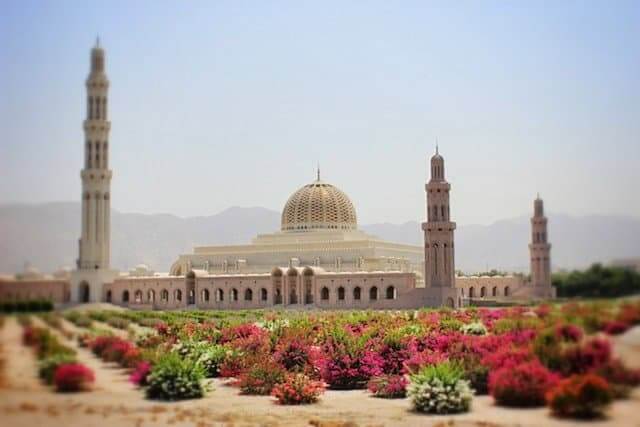


Salalah, a jewel in Oman’s Dhofar region, is a beautiful travel destination known for its lush landscapes, rich history, and unique cultural experiences. Renowned for its diverse Salalah Tourist Spots, the city captivates visitors with striking coastlines, ancient ruins, and monsoon magic. Whether you’re exploring its natural beauty or historical landmarks, Salalah remains one of Oman’s most rewarding destinations. Let’s look at the best places to go and what’s changed for travelers planning a visit.
Salalah – Why It’s a Must-Visit
Salalah’s Rich Culture and History
Salalah is steeped in history and deeply connected to the ancient frankincense trade. The city is home to two UNESCO World Heritage sites — Al Baleed and Sumhuram — both testament to its role as a major historical trading hub. It remains a blend of Omani tradition and global influence, visible today in its forts, markets, and seasonal festivals.
Why Salalah Is Still a Standout Destination in 2026
Salalah’s appeal hasn’t changed: monsoon-season greenery, ancient ruins, and a genuinely different landscape from the rest of Oman. What has changed slightly is the practical picture. Salalah Port experienced a strike on its fuel storage facilities in March 2026, and several international governments currently advise a degree of caution when traveling in the wider region. That said, aviation summaries indicate Salalah’s airport has continued operating and carried extra capacity through the 2026 Khareef season. If you want the full picture before booking, our detailed update on Oman travel and the Strait of Hormuz situation covers what’s confirmed versus what’s still uncertain. For this guide, the focus stays on the destination itself — check that article, or your government’s current travel advisory, for the bigger picture.
Read More » Dubai to Salalah: A Road Trip to Salalah from Dubai Arabian Landscapes
Top 10 Places to Visit in Salalah
Wadi Darbat – Nature’s Paradise
Wadi Darbat, a serene valley, is one of Salalah’s most iconic attractions. During Khareef, it transforms into a lush green oasis with cascading waterfalls, tranquil lakes, and rolling hills. Visitors can enjoy boat rides, picnics, and hikes, making it a favorite for families and nature lovers alike. Outside Khareef, the waterfalls dry up but the valley remains a scenic, quieter spot for a walk.
Al Mughsail Beach – A Serene Escape
Al Mughsail Beach is known for its pristine white sands, turquoise waters, and dramatic cliffs. The site features natural blowholes, where seawater bursts through rock formations during high tide — most dramatic during Khareef when the swell is stronger. It’s a relaxing spot for a walk or simply to admire the coastline.
Sumhuram Archaeological Park – A Historical Gem
Step back in time at Sumhuram Archaeological Park, an ancient city that was once central to the frankincense trade. The ruins, perched above the Khor Rori lagoon, offer real insight into the region’s role in historic global trade routes.
Jebel Samhan – Spectacular Views from the Mountains
For dramatic views, head to Jebel Samhan. The mountain offers sweeping vistas over Salalah’s coastline and valleys, with hiking trails through rugged terrain. It’s also home to the Arabian leopard, though sightings are rare, as the species is critically endangered and elusive.
Taqah Castle – A Peek into Salalah’s History
Taqah Castle, a historic fort, showcases traditional Omani architecture. Visitors can explore preserved rooms, view local artefacts, and take in panoramic views of the surrounding coast.
Al Baleed Archaeological Park – A Walk Through Time
A UNESCO World Heritage Site, Al Baleed Archaeological Park is home to the Museum of Frankincense, landscaped gardens, and ancient ruins. It’s one of the best places to understand Salalah’s historical role in the frankincense trade.
Ayn Athum and Ayn Khor – Majestic Waterfalls
Salalah’s waterfalls, Ayn Athum and Ayn Khor, are must-visit spots during Khareef. Surrounded by greenery, they offer a peaceful escape and are popular for photography and picnics. As with Wadi Darbat, these are seasonal — most spectacular from roughly July to September, when the monsoon is active.
Salalah Gardens Mall – A Blend of Tradition and Modernity
For shopping and entertainment, Salalah Gardens Mall combines traditional Omani architectural touches with modern amenities, dining, retail, and family entertainment.
Mirbat – A Coastal Town with History
Mirbat, a quiet coastal town near Salalah, is rich in history and charm. Explore its old fort, traditional stone houses, and beaches — Mirbat is also popular with divers and snorkelers thanks to its relatively clear coastal waters.
Fazayah Beach – A Hidden Gem
Fazayah Beach, with clear waters and golden sand, is a quieter, more secluded spot ideal for relaxation and swimming. It’s easily reached from Salalah, making it a worthwhile add-on to a coastal day out.
Read More » Top 10 Beaches on Masirah Island for the Ultimate Island Getaway

Where to Get the Best Experiences in Salalah
Exploring Salalah’s Monsoon Season (Khareef)
Salalah’s Khareef Season, running roughly June to September, transforms the region into a green landscape unlike anywhere else in the Gulf. It’s the peak time to experience cool, misty weather, local festivals, and the region’s scenic beauty — and consequently the busiest and most expensive time to visit.
Frankincense Trails – A Dive into Ancient Trade Routes
Follow the historic frankincense trails to learn about the resin that built Salalah’s reputation as a trading power. Markets, frankincense trees, and historical sites all connect to this heritage.
Local Cuisine – A Taste of Dhofar
Don’t miss Dhofari cuisine. Popular dishes include Mandi, Shuwa, and Mashuai. Local restaurants and street food stalls offer an authentic, affordable introduction to Salalah’s culinary traditions.
How to Plan Your Trip to Salalah
Transportation Options – From Muscat to Salalah
Getting to Salalah is straightforward. Direct flights from Muscat take around 1.5 hours and are offered by SalamAir, Oman Air, and Etihad — worth comparing, since schedules and frequency can shift, so confirm current flight availability before booking. The Muscat to Salalah bus is a slower but scenic and budget-friendly alternative, taking roughly 10–12 hours. Self-drive is also an option for those wanting to explore en route, though it’s a long desert crossing best split with rest stops.
Best Time to Visit Salalah
The right timing depends on what you’re after. Khareef (June–September) delivers the green landscapes and waterfalls Salalah is famous for, along with the biggest crowds and highest hotel rates. Winter (November–March) offers milder, drier weather — ideal for hiking, beaches, and exploring the archaeological sites without Khareef’s crowds.
Practical Tips for Travelers
Accommodation Options in Salalah
From luxury resorts to budget hotels, Salalah offers a range of stays. Popular choices include Anantara Al Baleed Resort and Salalah Rotana Resort — book well ahead if traveling during Khareef, when availability tightens quickly.
Packing Essentials for Salalah
Pack light clothing for the warmer months, rain gear if visiting during Khareef, and sturdy shoes for hiking Jebel Samhan or the wadis. Sunscreen and a camera are essentials year-round.
Safety Tips and Cultural Etiquette
Dress modestly and ask permission before photographing locals. Salalah is generally a safe destination for tourists, but ordinary travel precautions still apply — and if you’re visiting during or after Khareef, check current conditions before swimming at waterfalls or wadis, since water levels and currents can change quickly with the monsoon. Before finalizing any 2026 booking, it’s also worth a quick check of your government’s current travel advisory for the wider region.
Why Salalah Should Be on Your 2026 Travel List
Salalah remains a genuine change of scenery from the rest of Oman — lush valleys, historic ruins, and a coastline with its own character. Whether you explore independently or with a guided operator like Oman Safari Tours, Salalah’s mix of nature, history, and culture makes it worth the trip.
FAQs About Visiting Salalah in 2026
What are the top Salalah tourist places?
Key attractions include Wadi Darbat, Al Mughsail Beach, Sumhuram Archaeological Park, and Al Baleed Archaeological Park.
How do I travel from Muscat to Salalah?
By direct flight (about 1.5 hours, with SalamAir, Oman Air, or Etihad), by a scenic 10–12 hour bus journey, or by self-drive car rental.
When is the best time to visit Salalah?
Khareef (June–September) for lush greenery and waterfalls, or winter (November–March) for milder, drier weather with fewer crowds.
Is Salalah suitable for family vacations?
Yes — attractions like Wadi Darbat, Al Mughsail Beach, and Salalah Gardens Mall are all family-friendly.
Are there guided tours available in Salalah?
Yes, several operators, including Oman Safari Tours, offer guided tours covering the main attractions and cultural sites.
Can I explore Salalah on a budget?
Yes — affordable accommodation, the Muscat–Salalah bus, and budget-friendly local eateries make it manageable on a modest budget.
Has anything changed for travelers visiting Salalah in 2026?
Salalah Port saw an incident in March 2026 connected to wider regional tensions, and some governments currently advise a degree of caution across the region generally. Salalah’s airport and tourist sites have continued operating. Check current advisories and our Oman travel 2026 update before you book.