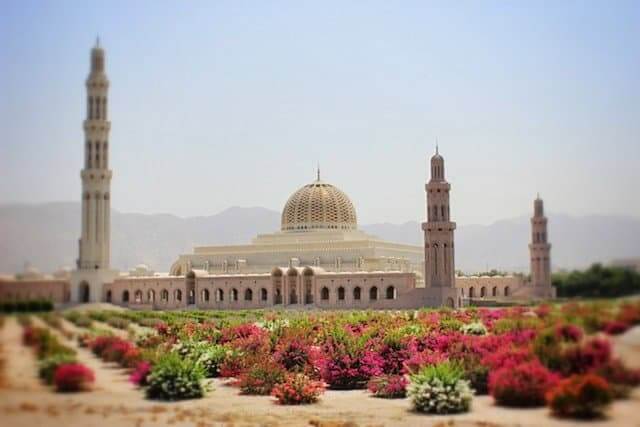


Oman is one of the easiest and most rewarding countries to visit in the Gulf. It is safe, the people are warm and welcoming, and you can be standing on a desert dune, swimming in a wadi or walking around a 17th-century fort within two or three hours of Muscat. It also gets far fewer visitors than its Gulf neighbours, so the beaches, mountains and souqs still feel like Oman rather than a theme park. Here are ten reasons to visit Oman, plus the practical details you need to plan a trip to the Sultanate of Oman.
Rich heritage and culture
A country’s history, heritage and culture are what make it what it is. In the Middle East, the Sultanate of Oman has one of the oldest and best-preserved cultures, and its traditions are still part of daily life rather than something kept for museums.
Book your Oman tours and explore Oman’s heritage and culture.
Everything catches the eye, whether it is the clothing, social customs or silver jewellery. You will see men in the white dishdasha and embroidered kumma cap, smell frankincense burning in shops and homes, and be offered kahwa (cardamom coffee) and dates almost everywhere you stop. A visit to the country coupled with a Desert Safari Oman trip is sure to win you over.
Stunning beaches
Oman has a coastline of about 3,165 km, so there is no shortage of quiet beaches. Each stretch has its own character. The Daymaniyat Islands are perfect for snorkelling, while Ras Al Jinz is a famous turtle reserve where green turtles come ashore to lay their eggs.
The beaches near Muscat are clean and well looked after, and the Gulf of Oman is usually calm, which makes it good for swimming. The sea is at its best from October to April. In summer the water is very warm and the midday heat is intense, and the Dhofar coast around Salalah gets rough seas and strong currents during the June–September monsoon, when swimming there is not safe.
The Wildlife
If you are an animal lover, Oman has plenty to offer. You can watch the acrobatics of Dolphins in the Gulf of Oman. Spinner and common dolphins often travel in large pods and leap clear of the water as they chase tuna and sardines. Half-day dolphin watching in Muscat boat trips leave Muscat most mornings, and early departures give you the calmest sea and the best chance of sightings.
Humpback whales are seen off the coast of the Dhofar Governorate, and the endangered Nubian ibex still survives in Oman’s mountains. Add the nesting turtles at Ras Al Jinz and the flamingos in the coastal lagoons, and wildlife alone can fill several days.
Museums and History
Oman is not just beautiful to look at. It is also home to some remarkable architecture. Over the centuries the country traded with East Africa, India and Persia, and that history shows in its buildings.
As a result, there are more than 500 forts and castles, plus ancient homes and villages that take you back to the ages gone by. This includes the 17th-century Nakhal Fort and Bahla Fort, a UNESCO World Heritage Site.
The Sultan Qaboos Grand Mosque is another architectural marvel you must not miss. Highlights include a vast hand-woven Persian carpet, a 50-metre central dome and a huge crystal chandelier.
A good tour operator in Oman will also build museums into your trip. The National Museum and Bait Al Zubair in Muscat are the best places to start, and they are your window to the country’s past.
Breathtaking Natural Beauty
When you first arrive, you notice the white buildings, mosques and monuments. Start exploring, though, and you find some of the most dramatic scenery in the Middle East. The Al Hajar Mountains run across the north of the country, from Musandam down towards Sur, and they are full of caves, canyons and terraced villages.
You will also see date palm oases everywhere, watered by the ancient falaj irrigation channels. Oman works for both adventure and relaxation, so you can hike in the morning and be on a beach by the afternoon. Our guide to Oman’s hidden natural gems covers the quieter places most visitors miss.
Secluded Wadi Pools
You will have heard of oases. In Oman, you can see the real thing in the form of wadis: river valleys where fresh water collects in clear, green and turquoise pools between the rocks.
Wadi Tiwi, Wadi Bani Khalid and Wadi Shab are some of the most beautiful. They are also famous, and they get busy on Fridays and Saturdays. Go on a weekday morning, or ask your guide about quieter wadis such as Wadi Al Arbaeen. Bring swimwear that covers your shoulders and knees, and shoes you can wade in.
Festival and Costumes
The Khareef season runs from late June to September. At this time, Salalah turns green with monsoon mist and drizzle, while the rest of the Gulf bakes. The Salalah Khareef Festival draws visitors from all over the region to enjoy the cool weather, waterfalls and evening events.
The people of Oman are proud of their heritage, and it shows in their clothing. Every region has its own style of dress. The basic shapes are similar, but the colours, embroidery and silver details change from one region to the next.
Delicious Omani Food
A traditional Omani meal is built around rice, cooked in many different ways with spices such as cardamom, saffron, cumin and dried lime. The dish everyone talks about is shuwa: meat marinated in spices, wrapped in banana leaves and slow-cooked for up to two days in an underground sand oven. Try mashuai (grilled kingfish with rice), Omani halwa and fresh dates with kahwa as well.
Stunning Desert and Mountains
Many people think Oman is just desert. That is not true, though the desert is stunning. The golden-red dunes of the Sharqiya (Wahiba) Sands are about three hours’ drive from Muscat, and a sunset there is one of the highlights of any trip. If you want the background before you book, read our Oman desert safari guide, and make sure you do not leave this part out.
The mountains are just as impressive. The tallest peak is Jebel Shams, and nearby Wadi Ghul is known as the Grand Canyon of Oman. The Balcony Walk is a trail along the canyon rim that is worth the effort for the views all around.
Best Time to Visit Oman
For most of the country, the best time to visit is October to April. Days are warm and sunny, evenings are pleasant, and it is comfortable for sightseeing, hiking, wadi swimming and desert trips. December to February is the coolest and busiest period.
From May to September, Muscat, the interior and the desert are very hot, so plan early-morning and evening activities. The big exception is Dhofar in the south: June to September is the Khareef monsoon, when Salalah is green, misty and around 25–30°C. If that sounds appealing, see our guide to the best time to visit Salalah.
Cordial Nature of Omanis
Last but not least, Omanis are among the most hospitable people you will ever meet. Visit a family home, or even a shop, and you will usually be welcomed with dates and coffee, followed by fruit.
After that come cakes, biscuits and Omani halwa. Hosts make sure you leave impressed by their generosity. Even outside your tour, most Omanis you meet will gladly help with directions or anything else you need.
Oman Travel Essentials: Visa, Safety and How Many Days
Do you need a visa for Oman?
Citizens of GCC countries do not need a visa. Nationals of about 100 countries, including the UK, EU countries, the USA, Canada and Australia, can enter Oman visa-free for up to 14 days. This stay cannot be extended or converted. Some nationalities qualify only if they also hold a valid US, UK, Schengen, Canadian, Australian or Japanese visa or residency. Everyone else, including most expatriate residents of other GCC countries and anyone planning to stay longer than 14 days, applies for an eVisa online at evisa.rop.gov.om before travelling. Your passport should be valid for at least six months from your arrival date. Rules change, so check the Royal Oman Police eVisa site for your nationality before you book flights.
Is Oman safe?
Oman has a long record as one of the safest countries in the region, with low crime and a calm, friendly atmosphere. Normal precautions apply: dress modestly away from the beach, respect prayer times and take care on mountain roads and in wadis after rain. Because of the regional conflict in 2026, some governments have raised their advice: as of November 2026 the US State Department rates Oman Level 3 (“Reconsider travel”) and advises against all travel to the Yemen border area, and the UK FCDO warns that the regional situation is unpredictable and that flights and airspace can be disrupted at short notice. Before you travel, check your government’s latest travel advice, and read our update on Oman travel in 2026 for the current situation in the region.
How many days do you need?
Plan on 5 to 7 days for a first trip. That gives you a day or two in Muscat, a night in the desert, a day in the Nizwa and Jebel Akhdar or Jebel Shams area, and a coastal day for Wadi Shab, Bimmah Sinkhole and Sur. Add three or four days if you also want Salalah. Our Oman tour packages are built around these routes, and they also work well for a family holiday in Oman.
Summing Up
Oman has heritage, wildlife, beaches, mountains, wadis and desert, all within easy reach of each other and without the crowds. These are the reasons why you should visit at least once. Sultanate of Oman tourism is still small enough that you get a personal welcome almost everywhere you go.
The easiest way to see it is with a local team who knows the roads, the wadis and the best times to visit each place. Browse our Oman tour packages for multi-day trips, or start with a day trip from Muscat such as the Wahiba desert sunset safari (from $40 per person) or dolphin watching (from $55 per person). Message us with your dates and we will help you plan the trip.
Frequently Asked Questions
Is Oman safe for tourists?
Yes. Oman is widely considered one of the safest countries in the Middle East, with low crime and very friendly locals. Because of the regional conflict in 2026, some governments (including the US) have raised their travel advice for Oman, so check your government’s latest advice before you go, dress modestly away from beaches and resorts, and follow your guide’s advice in wadis and mountains.
What is the best month to visit Oman?
November to March is the most comfortable period for Muscat, the mountains and the desert. October and April are also good but warmer. For Salalah, July and August are the peak Khareef months, when the region is green and cool.
How many days do you need in Oman?
Five to seven days is enough to see Muscat, the Wahiba Sands, Nizwa and the mountains, and the coast around Wadi Shab and Sur. Add three or four days if you want to fly down to Salalah.
Do I need a visa to visit Oman?
Many nationalities can enter visa-free for up to 14 days, and others can apply for an e-visa online through the Royal Oman Police website (evisa.rop.gov.om). Check the current rules for your passport before you travel.
What should I wear in Oman?
Light, loose clothing that covers shoulders and knees is best for towns, souqs and forts. Women need a headscarf, long sleeves and ankle-length clothing to visit the Grand Mosque, and men need long trousers. Swimwear is fine at beaches and hotel pools.
Read More: Discover the Wonders of Oman Fort: Journey through Time
