

Wadi Shab is a canyon in Oman’s Al Sharqiyah region, about 140 km (1.5–2 hours) southeast of Muscat. The hike to the main pools takes 45–60 minutes one-way, entry is free (aside from a 1 OMR return boat crossing), and cliff-jumping spots range from roughly 3 to 10 meters high. October to April offers the most comfortable hiking weather.
Nestled in the heart of Oman’s rugged landscape, Wadi Shab is a paradise for adventurers and nature lovers alike. With crystal-clear turquoise pools, dramatic cliffs, and a hidden cave waterfall, this valley delivers an unforgettable experience whether you’re hiking its rocky trails, swimming through its channels, or jumping from one of its cliff-jumping ledges. If you’re planning a trip to Wadi Shab in Oman, this guide covers everything from opening times to safety essentials for 2026.
What Is a Wadi in Oman?
Before you plan your trip, it helps to understand why Wadi Shab deserves a spot on your itinerary. In Arabic, wadi simply means a dry riverbed or valley that fills with water after rain. Oman has dozens of striking wadis, but Wadi Shab is widely considered the standout.
Carved by centuries of flowing water, the gorge holds bright emerald pools, small waterfalls, and narrow rock corridors. Walking through feels like entering a hidden oasis, with each bend revealing another scene. You can swim through a short underwater passage into a hidden cave, jump from sun-warmed ledges, or simply relax in the quiet.
Where Is Wadi Shab Located?
Wadi Shab sits in Oman’s Al Sharqiyah region, roughly 140 kilometers southeast of Muscat. The drive winds through scenic mountain roads and small Omani villages, each one adding to the sense of discovery before you even arrive.
The road trip is its own mini-adventure, steep cliffs rise on either side as you approach. At the parking area, a short boat crossing (around 1 OMR return) ferries you across the first stretch of water and marks the start of your Wadi Shab Tour.
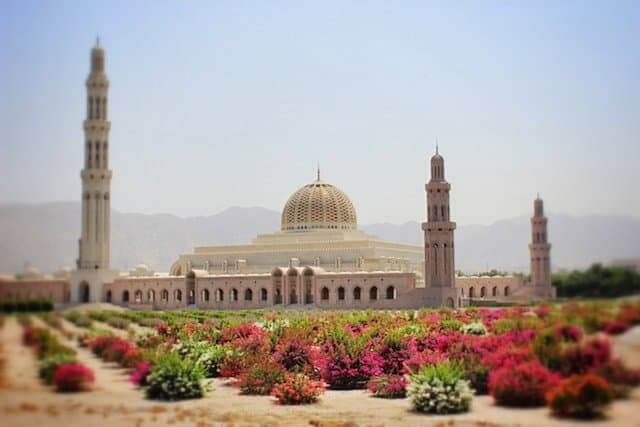
Read More – Why Sultan Qaboos Grand Mosque Is a Must-Visit Landmark in Muscat
How to Reach Wadi Shab in Oman
There are several ways to get there, depending on your travel style:
1. By Car (Most Flexible Option)
- Distance from Muscat: ~140 km (1.5–2 hours via Route 17).
- Why drive? A rental car gives you full control of timing. Roads are well-maintained, and parking is available close to the wadi entrance.
2. By Taxi (Convenient but Pricier)
- Cost: roughly 25–35 OMR one way from Muscat.
- Best for: travelers who want a hassle-free journey without navigating themselves.
3. Joining a Guided Tour (Best for First-Time Visitors)
- Many Muscat tours, including Oman Safari Tours, include Wadi Shab in their itinerary.
- Benefits: local guides provide safety insight, help time your visit around tides and crowds, and can combine the trip with a Muscat City Tour for a full day out. If you’re arriving by cruise or combining the trip with an airport transfer, see our guide to Muscat city tours from the port or airport.
Wadi Shab Opening Times and Best Time to Visit
Entry is permitted year-round, but the October-to-April window, when daytime highs sit around 25–30°C, offers the most comfortable hiking conditions. For a broader look at timing across all of Oman’s day-trip destinations, see our guide to the best times for day trips from Muscat.
Best time of day to visit:
- Early morning (7–9 AM): Fewer visitors, cooler temperatures, and soft light ideal for photography.
- Late afternoon (3–5 PM): Warm, low-angle light gives the cliffs and pools a golden glow.
- Avoid midday (11 AM–2 PM): Heat can make the hike physically draining, especially outside winter months.
If you’re planning your shot list in advance, our guide to photographing Oman’s desert landscapes has lighting tips that apply just as well to wadi photography.
Read More – Top 10 Places to Visit in Salalah: Best Places to Explore
How Long Does It Take to Hike Wadi Shab?
The walk into Wadi Shab is a mini-adventure in itself.
- Duration: Roughly 45 minutes to an hour, one-way, to reach the main swimming basin.
- Boat crossing: A small wooden ferry carries you over the first stretch of water (1 OMR round trip).
- Rocky path: The trail threads between date palms and large stones, proper footwear is essential, not optional.
- Swimming sections: Some stretches require wading or a short swim, so a waterproof bag for your phone and valuables is genuinely useful.
- The final reward: A hidden cave with a small waterfall, reached by swimming through a short passage, one of the most memorable moments in Oman’s outdoor scene.
Cliff Jumping at Wadi Shab: What to Know
This is the part most people come for, and it deserves more detail than “jump in.”
Wadi Shab has multiple cliff-jumping spots, generally ranging from about 3 to 10 meters in height, located around the main pools and near the cave entrance. A few essentials:
- Always check depth and clear water first. Pool depth can shift seasonally, and jumping without checking is how most wadi injuries happen. Watch a few locals or experienced visitors jump before you do, and never jump into water you haven’t seen someone else clear.
- Start lower. If it’s your first time, try a 3–4 meter ledge before attempting the higher points.
- Mind the current. After rain, water flow through the gorge can increase noticeably, changing both depth and current strength.
- Know your limits. Cliff jumping is optional, not a requirement of the hike, the pools and cave are just as rewarding without it.
Is Wadi Shab Safe? Flash Flood and Weather Precautions
This is a genuinely important point that’s easy to overlook. Wadi Shab, like all of Oman’s wadis, is subject to flash flooding, a sudden surge of water that can occur even when it hasn’t rained at the wadi itself, because rainfall higher up in the mountains can funnel down into the gorge with little warning.
- Check the forecast for the wider region, not just Wadi Shab itself, before you go, this includes rain inland and in the mountains feeding the wadi.
- Follow local authority guidance. Entry is sometimes restricted or closed during and after heavy rain; respect any barriers or guide instructions.
- Avoid the wadi entirely during or immediately after active rainfall warnings, even if the sky above you looks clear.
- Go with a guide or group if you’re unfamiliar with the terrain, local guides know current conditions and can advise in real time.
Wadi Shab vs. Wadi Al Arbaeen: Which Should You Choose?
If you’re deciding between Oman’s two best-known adventure wadis, here’s the short version: Wadi Shab is more developed, with a clear trail, the famous boat crossing, and the hidden cave waterfall, it’s the better choice for first-timers and travelers who want a well-marked route. Wadi Al Arbaeen is wilder and less crowded, suited to travelers who’ve done Wadi Shab before and want a rawer, more off-the-beaten-path experience. Our full comparison in Wadi Al Arbaeen: The “Wild” Alternative to Wadi Shab breaks this down in more depth if you’re planning both.
Wadi Shab Distance from Muscat & Nearby Accommodation
If you’re planning an overnight trip:
- Distance from Muscat: ~140 km, an easy day trip, though staying nearby can enhance the experience.
- Wadi Shab Resort, Tiwi: Offers simple, comfortable lodging close to the wadi entrance.
- Alternative: Combine your visit with a Muscat city tour and stay in the capital for more amenities and dining options.
Is Oman Expensive to Visit? Budget Tips for Wadi Shab
Oman is generally mid-range for the Gulf, but Wadi Shab itself is genuinely budget-friendly:
- Transport: Taxi (~35 OMR) or rental car (~15–20 OMR/day).
- Food: Pack snacks, or eat affordably at local cafes near Tiwi.
- Entry fee: Free, aside from the 1 OMR boat ride.
For more ways to stretch an Oman itinerary, see our guide to budget-friendly Muscat day trips, which covers Wadi Shab alongside several other low-cost adventures near the capital.
Final Tips for Your Wadi Shab Oman Tour
✔ Footwear: Wear sturdy water shoes, the rocks are slippery.
✔ Essentials: Bring sunscreen, water, and a waterproof phone case.
✔ Respect local culture: Wear modest swimwear (rash guards and shorts are ideal).
✔ Safety first: Check weather and flash-flood advisories before you go, and don’t cliff-jump into water you haven’t checked.
Read More – Masirah Island in Oman – An Untouched Paradise of Beaches, Wildlife & Adventure
A Note on Current Travel Conditions
Wadi Shab itself is an inland, landlocked destination unaffected by coastal or shipping-related disruptions, and it continues to operate as normal. If you’re combining this trip with wider travel planning across Oman in 2026, our Oman travel update on the Strait of Hormuz situation explains what has and hasn’t changed elsewhere in the country.
Conclusion: Why Wadi Shab Should Be on Your Oman Itinerary
Wadi Shab in Oman is more than a hike, it’s an immersive adventure where natural beauty meets genuine thrill. Whether you’re swimming through the hidden cave, jumping from a cliff edge, or simply soaking in the scenery, this wadi delivers memories that last well beyond the trip.
Ready to plan your Wadi Shab Oman Tour? Plan around the season, pack smart, and get ready for one of Oman’s most rewarding natural experiences.
Frequently Asked Questions (FAQs) About Wadi Shab, Oman
1. How do I get to Wadi Shab from Muscat?
By car (1.5–2 hours via Route 17), by taxi (around 25–35 OMR one way), or via a guided Muscat tour that includes Wadi Shab in its itinerary.
2. Is Wadi Shab suitable for beginners?
Yes. The hike is moderate (45–60 minutes), and non-swimmers can still enjoy the shallow pools and scenic walk without attempting the swim-through cave or cliff jumps.
3. What should I wear to Wadi Shab?
Sturdy water shoes, quick-dry shorts, and a rash guard. Leave flip-flops at home, the rocks are slippery.
4. Are there entrance fees for Wadi Shab?
Entry is free; the round-trip boat ride costs 1 OMR. Guided tours may include this in their package price.
5. How high are the cliff-jumping spots at Wadi Shab?
Roughly 3 to 10 meters, depending on the ledge. Always check water depth before jumping, and start lower if it’s your first visit.
6. Can I visit Wadi Shab year-round?
Yes, though October to April is more comfortable. Avoid midday heat in summer, and always check flash-flood warnings during and after rain.
7. Is Wadi Shab affected by the current regional situation in Oman?
No, Wadi Shab is an inland site and has continued operating normally. Coastal and shipping-related disruptions elsewhere in the region haven’t affected access to the wadi itself.